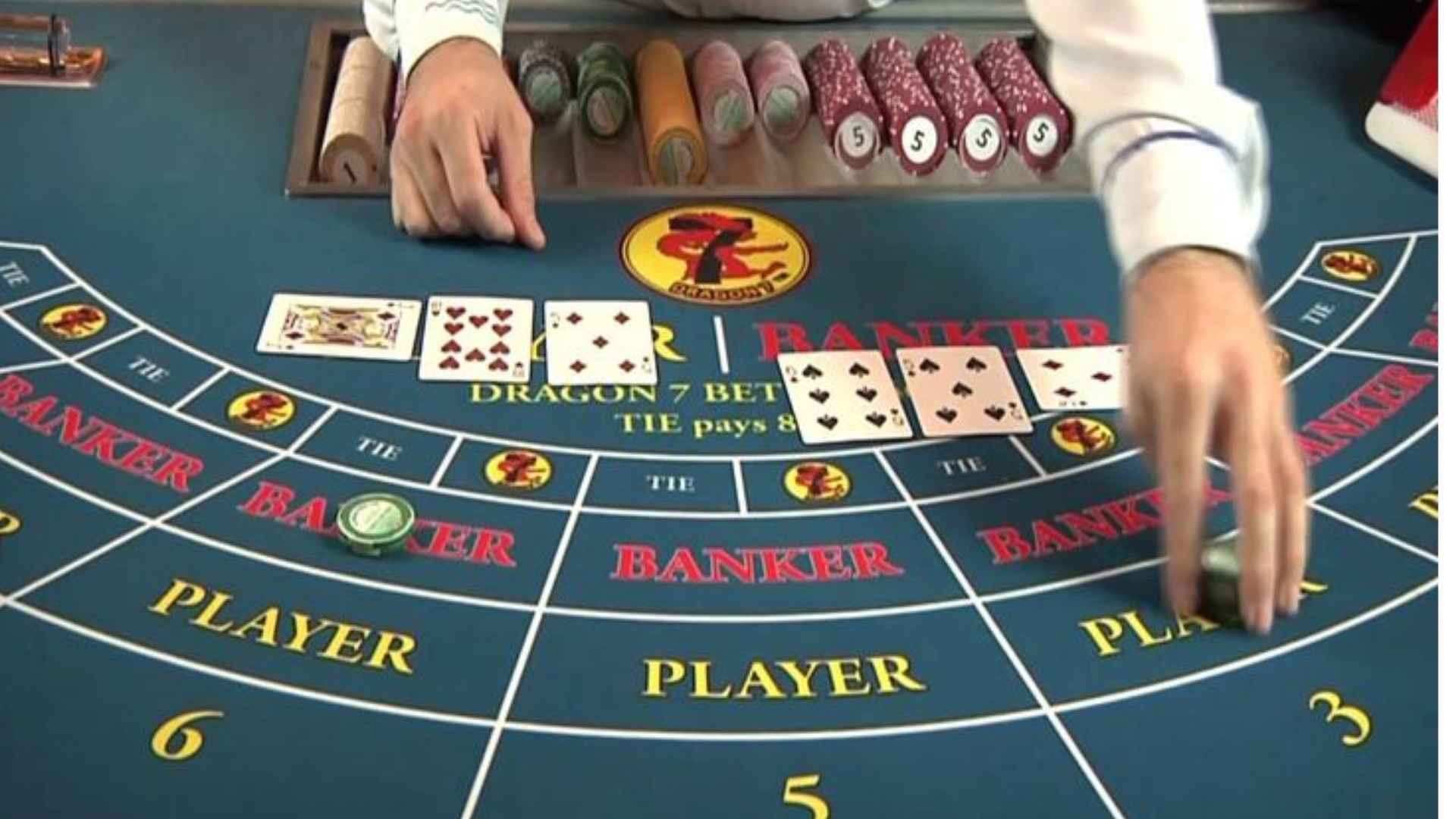
Modern interactive systems are increasingly shifting away from predictable milestone markers in favor of dynamic reward structures. When software platforms and games integrate randomized incentives, routine achievements suddenly acquire a sense of genuine anticipation. By introducing probabilistic benefits alongside steady progress, creators ensure that reaching a goal feels like an engaging event rather than a repetitive chore.
The Mechanics of Variable Reward Distribution
Variable reward systems rely on the psychological principle that uncertainty heightens human curiosity and engagement. When individuals know that an outcome is guaranteed but its specific form remains unknown, focus naturally sharpens. This element of unpredictability transforms simple tasks into memorable experiences that keep users actively invested.
Instead of receiving fixed payouts every time a milestone is unlocked, participants encounter dynamic prize pools with varying rarity levels. This subtle shift prevents fatigue by making every unlock sequence unique. Consequently, even minor milestones retain long-term value within the overall progression framework.
Elevating Routine Tasks Through Unpredictable Mechanics
Linear progression systems often suffer from predictable routines, which can lead to player disinterest over extended periods. Introducing dynamic bonuses disrupts monotonous patterns by injecting surprise elements into everyday activities. This approach gives participants a continuous reason to explore alternative approaches and test new strategies.
Many digital platforms now employ adaptive reward layers to refresh core loops without altering basic rules. Players looking for updated platform access points often rely on wd boss link alternatif to maintain seamless connectivity. These structural updates demonstrate how thoughtful design choices keep systems feeling modern and responsive.
Balancing Chance and Effort for Maximum Engagement
While chance mechanics generate excitement, relying entirely on randomness can cause user frustration if hard work goes unrewarded. The most effective systems balance variable bonuses with guaranteed baseline achievements to ensure fairness. This design guarantee gives users confidence that their time investment remains protected while still offering the thrill of potential bonus drops.
By pairing effort-based milestones with probabilistic perks, developers satisfy both intrinsic and extrinsic motivators. Users feel a sense of personal mastery from completing difficult tasks, while the randomized incentive provides an immediate burst of satisfaction. This dual approach forms the foundation of long-term user retention.
The Future of Adaptive Achievement Frameworks
As digital ecosystems evolve, reward mechanisms are becoming far more personalized and context-aware. Modern algorithms can now adjust incentive structures based on real-time activity and individual play styles. This ensures that randomized prizes remain relevant and appealing to different types of users without skewing system economics.
Ultimately, randomized incentives represent a powerful refinement in interactive design. By transforming static completion markers into dynamic opportunities for surprise, creators keep progression fresh, meaningful, and deeply engaging for long-term audiences.